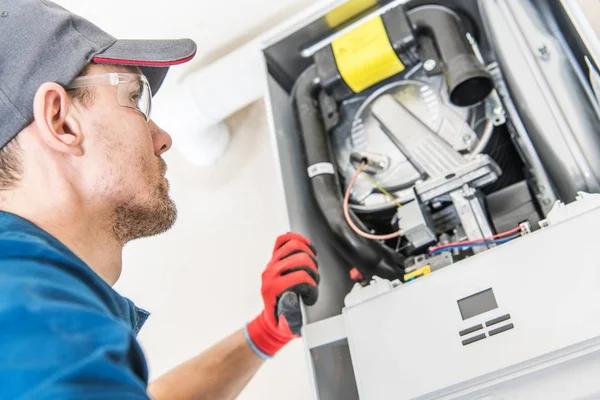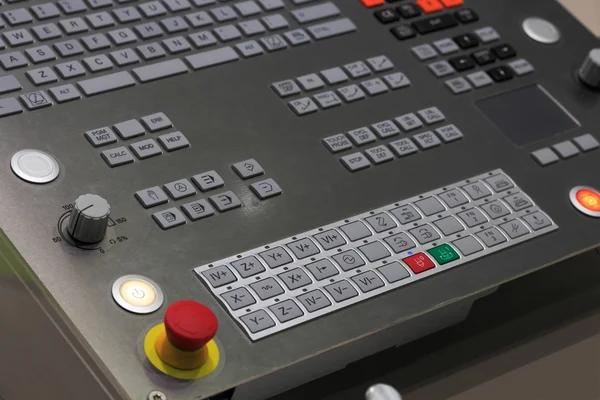
Advanced manufacturing facilities have emerged as pivotal components in the modern industrial landscape, integrating cutting-edge technologies and processes to enhance productivity, efficiency, and innovation. These facilities are not merely extensions of traditional manufacturing plants but are sophisticated ecosystems that embody a blend of automation, data analytics, and human expertise. At the core of advanced manufacturing facilities lies a commitment to leveraging technology to meet evolving market demands while maintaining high standards of quality and sustainability.
One of the key elements that distinguish advanced manufacturing facilities is their reliance on automation. Automation involves using robotics and computer-controlled systems to perform tasks with precision and consistency that surpass human capabilities. This shift towards automated processes reduces the margin for error, increases production speed, and allows for learn more here flexible operation schedules. As a result, companies can respond swiftly to changes in demand without compromising on product quality.
Data analytics also play a crucial role in these modern facilities. The integration of Internet of Things (IoT) devices enables real-time monitoring and collection of vast amounts of data from various stages of production. This data-driven approach facilitates predictive maintenance by identifying potential equipment failures before they occur, thus minimizing downtime and enhancing operational efficiency. Furthermore, analyzing production data helps optimize resource allocation and energy consumption, contributing to cost savings and environmental sustainability.
Another essential aspect is the focus on workforce development within these advanced settings. While automation handles repetitive tasks, skilled workers are needed to manage complex machinery, analyze data outputs, troubleshoot issues, and drive continuous improvement initiatives. Consequently, there is an increasing emphasis on training programs that equip employees with technical skills relevant to operating within such technologically enriched environments.
Sustainability considerations are integral to the design and operation of advanced manufacturing facilities as well. Companies strive for eco-friendly practices by incorporating energy-efficient technologies such as smart lighting systems or renewable energy sources like solar panels into their infrastructure. Additionally, waste reduction strategies through recycling or reusing materials further align operations with sustainable development goals.
Collaboration across sectors also characterizes these innovative spaces; partnerships between manufacturers, technology providers, academic institutions contribute significantly toward advancements in research & development efforts aimed at pushing boundaries even further than ever before imagined possible! By fostering this collaborative spirit among stakeholders involved throughout entire value chain process ensures continued progress toward achieving shared objectives beneficial all parties concerned alike!
In conclusion: Advanced Manufacturing Facilities represent future industry evolution where technology meets tradition seamlessly creating unparalleled opportunities growth prosperity worldwide today tomorrow beyond imagination limits set forth past generations paving way brighter horizons ahead us all embrace wholeheartedly together united purpose common good humanity’s collective advancement forward journey unfolds anew each day anew discoveries await discovery around every corner explored uncharted territories beckon exploration eager minds ready tackle challenges head-on courageously confidently always striving excellence betterment society whole!
About the Author