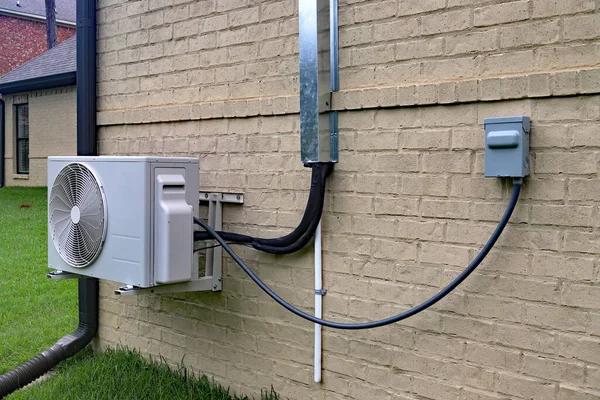
Mini split air conditioning systems have become increasingly popular for homes and apartments due to their efficiency, flexibility, and convenience. Unlike traditional central air conditioning units that require extensive ductwork, mini splits operate without ducts, making them an ideal choice for spaces where installing or modifying duct systems is impractical or impossible. This characteristic alone makes mini splits especially beneficial in older buildings or smaller living areas where space optimization is crucial.
One of the primary advantages of mini split ACs is their energy efficiency. Because they do not rely on ducts, which can often leak air and reduce overall system performance, mini splits deliver cooled air directly into individual rooms. This targeted cooling approach minimizes energy waste by allowing users to cool only occupied spaces rather than the entire home or apartment. Many models also feature inverter technology that adjusts compressor speed based on cooling demand, further reducing electricity consumption compared to conventional units that cycle on and off frequently.
Installation flexibility represents another significant benefit of Mini Split AC systems. The indoor unit mounts easily on walls or ceilings while the outdoor condenser can be placed discreetly outside without requiring large mechanical rooms or complex venting solutions. This adaptability suits a variety of layouts and architectural styles, offering homeowners more control over placement and aesthetics. Additionally, because installation involves fewer structural changes than traditional HVAC setups, it tends to be quicker and less disruptive.
Comfort is enhanced with mini splits as well since these systems provide consistent temperature regulation without the noise typically associated with window units or portable ACs. Indoor components operate quietly while delivering steady airflow tailored through adjustable louvers for optimal distribution throughout each room. Some models include advanced features such as programmable timers and remote controls that increase user convenience by enabling easy adjustments from anywhere within a residence.
Maintenance requirements are generally lower compared to central HVAC systems because there are no ducts needing regular cleaning or sealing inspections. Filter replacement remains straightforward with accessible filters located inside each indoor unit designed for simple removal and cleaning by homeowners themselves.
In summary, mini split air conditioners offer numerous benefits suited specifically for homes and apartments where space constraints exist alongside a desire for efficient climate control solutions. Their combination of energy savings, installation versatility, quiet operation, precise comfort management, and ease of upkeep make them an attractive option in modern residential settings seeking effective alternatives to traditional cooling methods.
About the Author