Installing impact resistant windows is an effective way to enhance the safety, security, and energy efficiency of any property. These windows are specially designed to withstand strong forces such as high winds, flying debris during storms, and potential break-in attempts. Getting started with reliable impact resistant window installation requires careful planning and attention to detail to ensure optimal performance and durability.
The first step in this process is selecting the right type of impact resistant window for your specific needs. There are various options available that differ in frame materials, glass thickness, and certification standards. It’s important to choose windows that meet local building codes and hurricane or storm resistance requirements if applicable. Consulting with a professional installer or supplier can help you understand which products best suit your climate conditions and security concerns.
Once the appropriate windows have been chosen, preparation of the installation site is crucial. The existing window openings should be inspected for structural integrity before proceeding. Any damage or rot around the frames must be repaired to provide a solid foundation for the new units. Proper measurements should be taken accurately because even small discrepancies can affect how well the windows fit and perform under stress.
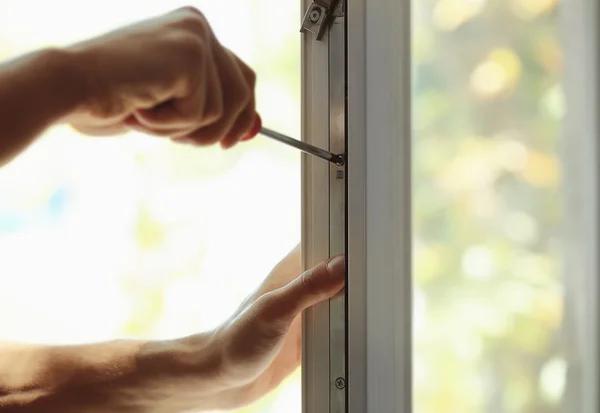
During installation, it’s essential learn more here that all components are handled carefully to avoid damaging seals or glass panes. Impact resistant windows often feature laminated glass layers bonded together with a tough interlayer that holds shards in place if broken; therefore, maintaining their integrity throughout handling is vital. Installing these windows typically involves securing them firmly into place using corrosion-resistant fasteners while ensuring they remain square within their frames.
Sealing around the perimeter of each window must be done meticulously using high-quality weatherproof caulking or foam insulation products designed specifically for exterior use on impact rated assemblies. This prevents water infiltration and helps maintain thermal efficiency by reducing drafts.
After installation is complete, testing should be performed where possible by checking for air leaks or water penetration during rain simulation tests if feasible in your area through professional services available locally.
Reliable impact resistant window installation not only protects against natural disasters but also improves overall home value by increasing energy savings through better insulation properties compared to traditional single-pane alternatives.
Choosing experienced installers familiar with manufacturer guidelines ensures warranties remain valid while providing peace of mind knowing your investment will withstand harsh environmental conditions effectively over time without compromising aesthetics or function.
By following these steps carefully from selection through final inspection you can confidently upgrade your property’s resilience with durable impact resistant windows installed correctly from start to finish without unnecessary delays or complications along the way.
About the Author