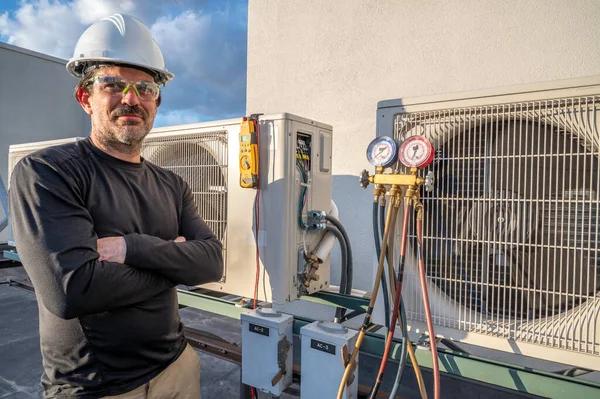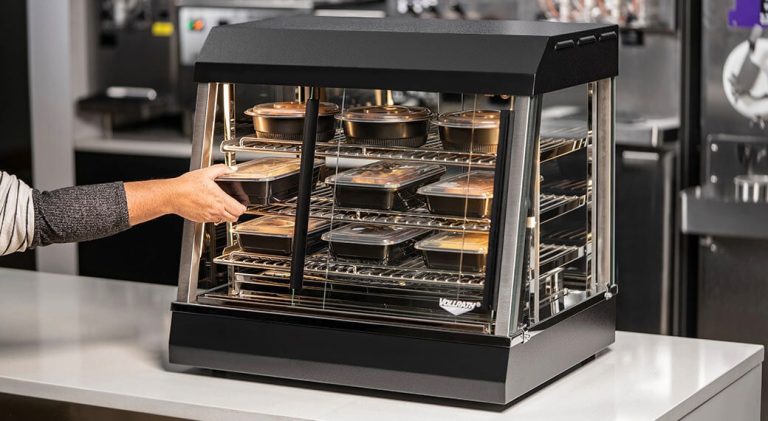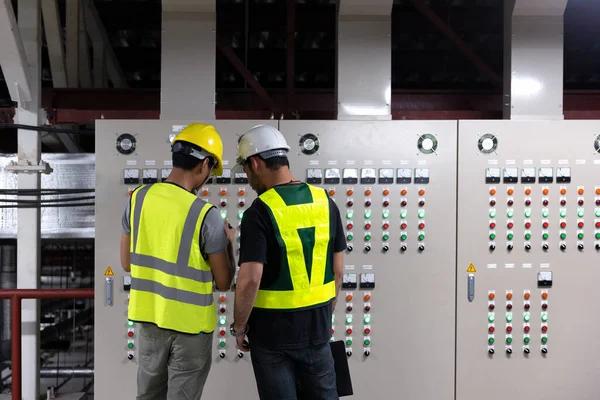
Improving efficiency with commercial refrigeration is essential for businesses that rely on cold storage to preserve products, maintain quality, and reduce operational costs. Commercial refrigeration units, including walk-in coolers, display cases, and reach-in refrigerators, consume significant amounts of energy. Enhancing their efficiency not only lowers electricity bills but also contributes to environmental sustainability by reducing carbon footprints. One of the primary factors in boosting efficiency is regular maintenance. Dust and debris accumulation on condenser coils can hinder heat transfer, causing compressors to work harder and consume more power. Cleaning these coils periodically ensures optimal performance and extends equipment lifespan.
Another important aspect is proper temperature management. Setting refrigeration units at appropriate temperatures prevents overcooling while maintaining food safety standards. For example, keeping freezers at-18°C (0°F) rather than colder settings saves energy without compromising product integrity. Installing digital thermostats or automated controls allows precise temperature regulation and reduces unnecessary cooling cycles.
Upgrading insulation in refrigeration systems also plays a crucial role in improving efficiency. High-quality insulation minimizes thermal exchange between the interior and exterior environments, helping maintain consistent temperatures with less energy use. Businesses should inspect door seals regularly since worn-out gaskets allow cold air to escape and warm air to enter, forcing compressors to run longer.
Incorporating modern technologies such as variable speed compressors can significantly impact energy consumption. Unlike traditional fixed-speed compressors that operate at full capacity regardless of demand, variable speed models adjust compressor output based on cooling needs. This adaptability leads to smoother operation cycles and reduced wear on components.
Lighting inside commercial refrigerators affects both visibility and heat generation within the unit. Switching from incandescent bulbs to LED lighting reduces internal heat production while providing brighter illumination for better product presentation.
Energy-efficient fans are another consideration; they circulate cold air effectively without drawing excessive power compared to older models with inefficient motors.
Proper placement of refrigeration equipment within a facility influences its performance as well. Units installed away from direct sunlight or heat sources experience less strain during operation.
Training staff on best practices such as minimizing door openings helps retain cold air inside units longer.
Finally, investing in energy audits or consulting professionals specializing in Commercial Refrigeration can identify specific inefficiencies unique to each business environment.
About the Author