Airflow problems in a home can lead to discomfort, increased energy bills, and even health issues. Identifying these problems early on is crucial for maintaining a comfortable and efficient living environment. There are several practical ways to identify airflow issues in your home, ensuring that you address them promptly.
One of the simplest methods to detect poor airflow is by paying attention to temperature inconsistencies throughout the house. If certain rooms feel significantly warmer or cooler than others, it may indicate an imbalance in air distribution. This could be due to blocked vents, leaky ductwork, or an improperly sized HVAC system. Regularly checking and cleaning air vents can help maintain optimal airflow; ensure they are not obstructed by furniture or dust buildup.
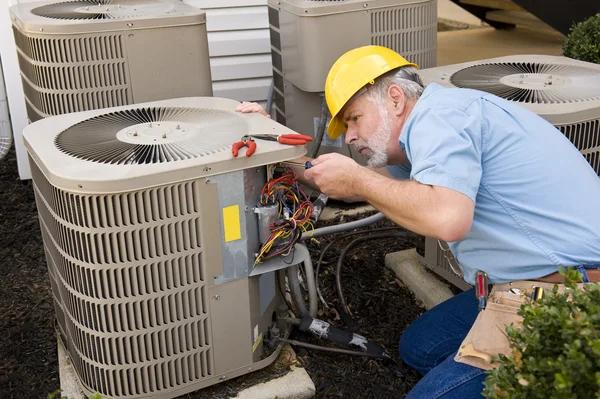
Another useful approach is conducting a visual inspection of your HVAC system components. Look for any visible signs of wear and tear on ducts or filters as these can impede airflow efficiency. Filters should be replaced every three months or more frequently if you have pets or allergies. Dirty filters restrict air movement and force the system to work harder, leading to potential malfunctions over time.
Listening for unusual noises from your HVAC system can also provide clues about airflow issues. Rattling see full article sounds might suggest loose components while whistling noises could indicate restricted flow through ducts due to debris accumulation or damage.
A smoke test offers another practical method for identifying leaks within ductwork which compromise effective airflow distribution across rooms within homes: simply light incense sticks near joints along exposed sections; observe how smoke moves around connections—if drawn into gaps between segments instead of being carried away smoothly along passageways then repairs will likely need attention soon after discovery!
Using technology like thermal imaging cameras helps pinpoint specific areas where insulation may be lacking—resulting in drafts affecting indoor comfort levels adversely during extreme weather conditions outside walls/windows/doors etc., so consider investing one if budget allows since benefits often outweigh initial costs involved purchasing such devices long-term savings realized via improved energy efficiency alone make worthwhile expenditure overall!
About the Author