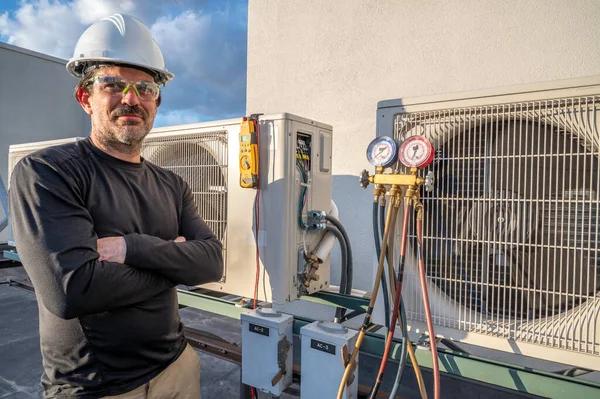
Flexible mini split systems have become increasingly popular for providing customized room comfort in residential and commercial spaces. These systems offer a versatile solution for heating and cooling individual rooms or zones, allowing users to tailor the climate according to their specific needs. Unlike traditional central HVAC units, mini splits consist of an outdoor compressor connected to one or more indoor air handlers, which can be independently controlled. This design enables targeted temperature management without the energy waste associated with conditioning unused areas.
One of the key advantages of flexible mini split options is their adaptability to various room sizes and layouts. Indoor units come in multiple styles such as wall-mounted, ceiling cassette, floor-standing, and concealed duct models. This variety allows homeowners and businesses to choose installations that best fit architectural constraints and aesthetic preferences while maintaining efficient airflow distribution. For example, wall-mounted units are ideal for straightforward setups in living rooms or bedrooms where space is limited, whereas ceiling cassettes provide discreet cooling for open-plan offices or retail environments.
The ability to control each zone separately enhances comfort by accommodating different temperature preferences within a single building. In multi-room settings like apartments or office suites, occupants can adjust settings individually without affecting other areas. This zoned approach not only improves user satisfaction but also reduces energy consumption since only occupied spaces receive conditioned air at any given time.
Modern Mini Split systems incorporate advanced features such as inverter-driven compressors that modulate speed based on demand rather than cycling on and off abruptly. This results in quieter operation alongside improved efficiency and longevity of components. Many models also include smart controls compatible with mobile apps or home automation platforms, enabling remote monitoring and scheduling adjustments tailored to daily routines.
Installation flexibility further contributes to the appeal of these systems. Mini splits require minimal ductwork compared to conventional HVAC setups, reducing both installation time and disruption during retrofits or renovations. The compact nature of indoor units makes them suitable for historic buildings where preserving interior aesthetics is crucial.
In conclusion, flexible mini split options provide a practical means for achieving personalized climate control through adaptable designs suited for diverse applications. Their capacity for independent zoning combined with energy-efficient technology supports enhanced comfort levels while minimizing operational costs. Whether upgrading existing infrastructure or planning new construction projects, choosing appropriate mini split configurations ensures optimal environmental conditions aligned with occupant preferences throughout any space.
About the Author