
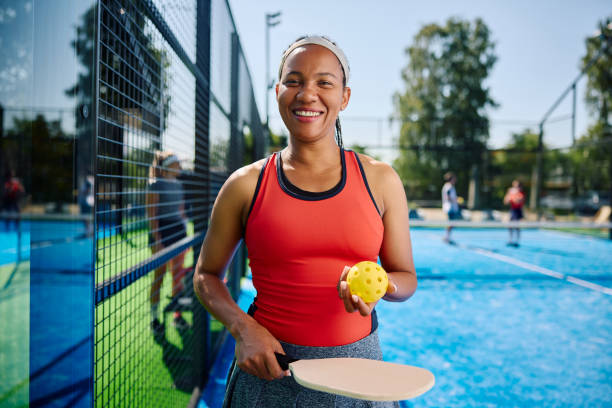
Happy African American woman playing pickleball on an outdoor court and looking at camera. Copy space.
Pickleball has rapidly emerged as one of the most popular recreational sports in Texas, and its growth is largely fueled by a surge in organized events across the state. These pickleball gatherings are not only drawing players of all ages and skill levels but also reshaping how communities engage with recreational activities. The accessibility of pickleball, combined with well-structured tournaments and social events, is transforming the landscape of recreational sports in Texas.
One key factor driving this transformation is the inclusive nature of pickleball events. Unlike many traditional sports that require extensive training or specialized equipment, pickleball offers a low barrier to entry. Events often welcome beginners alongside seasoned competitors, creating an environment where newcomers can learn quickly while enjoying friendly competition. This inclusivity encourages broader participation from diverse demographics, including seniors seeking active lifestyles and younger individuals looking for dynamic yet approachable physical activity.
Moreover, pickleball events contribute significantly to community building throughout Texas. Local clubs and recreation centers frequently organize tournaments that double as social gatherings, fostering connections among participants beyond the court. These occasions promote camaraderie and encourage people to maintain regular physical activity through enjoyable interactions rather than solitary exercise routines. As a result, many Texans find themselves more texasopenpickleball.com engaged in their local communities due to shared enthusiasm for the sport.
The economic impact associated with these events cannot be overlooked either. Regional tournaments attract visitors who contribute to local businesses such as hotels, restaurants, and retail stores specializing in sporting goods. This influx supports small economies while encouraging investment in facilities dedicated to pickleball courts and amenities tailored for players’ needs. Consequently, municipalities recognize the value of supporting this sport through infrastructure development initiatives that enhance public spaces.
In addition to grassroots benefits, competitive pickleball events are elevating Texas’s profile on national circuits. Hosting state championships or regional qualifiers draws attention from outside players eager to compete under favorable conditions offered by Texan venues known for quality courts and enthusiastic audiences alike. Such recognition helps position Texas as a hub within the growing national network of pickleball enthusiasts.
Overall, pickleball events have become catalysts for change within recreational sports culture across Texas by promoting inclusivity, strengthening community ties, boosting local economies, and enhancing competitive opportunities at multiple levels. The continued expansion of these activities signals lasting shifts toward more accessible forms of recreation that prioritize enjoyment along with health benefits-making it clear that pickleball will remain integral to how Texans play together now and into the future.
About the Author
